
The Complete Guide to Deck Remodeling in Maryland
Everything You Need to Know About Transforming Your Outdoor Living Space
Your deck is more than just an outdoor platform—it's an extension of your home, a gathering place for family and friends, and a significant component of your property's value. Whether you're dealing with a weathered deck that's seen better days or simply ready to upgrade your outdoor living space, understanding the deck remodeling process is essential for making informed decisions.
A deck remodel can range from minor repairs and cosmetic updates to complete reconstruction with upgraded materials and expanded design. In Maryland's climate, with our humid summers, freezing winters, and everything in between, decks face unique challenges that homeowners in Harford County, Baltimore County, and Cecil County understand all too well. This comprehensive guide will walk you through everything you need to know about deck remodeling, from recognizing the warning signs to navigating local permitting requirements.
In This Guide:
- ✓ Warning Signs Your Deck Needs Remodeling
- ✓ Age and Lifespan Considerations
- ✓ What to Expect During a Deck Remodel
- ✓ Deck Remodeling Options and Upgrades
- ✓ Material Choices and Their Benefits
- ✓ Maryland County Permitting Requirements
- ✓ Cost Considerations and Planning
Warning Signs Your Deck Needs Remodeling
Recognizing when your deck needs attention is crucial for both safety and preventing more extensive damage. Some signs are obvious, while others require a more careful inspection. Regular deck inspections—ideally twice per year in spring and fall—can help you catch problems early and determine whether repairs or a full remodel is the best course of action.
Structural Red Flags
Soft or Spongy Boards: When you walk across your deck, the boards should feel solid and stable. If you notice areas that feel soft, springy, or spongy underfoot, this indicates wood rot or structural deterioration. Use a screwdriver to probe suspicious areas—if the tool sinks in easily more than a quarter inch, you have rot that needs addressing. This is one of the most serious warning signs and often indicates that a remodel is necessary rather than simple repairs.
Loose or Wobbly Railings: Deck railings serve a critical safety function, and any looseness is cause for immediate concern. Grab your railing firmly and try to shake it—it should feel completely solid with minimal movement. Loose railings can indicate failing fasteners, rotted posts, or deteriorating connections between the railing and the deck structure. Maryland building codes require railings on decks elevated more than 30 inches above grade, and they must be able to withstand specific force requirements.
Ledger Board Issues: The ledger board is arguably the most critical component of your deck—it's the board that attaches your deck to your house. Check the area where your deck meets your home for any signs of separation, water damage, or rot. Look for gaps between the ledger and the house, rusted or corroded fasteners, or any signs of water intrusion. Ledger board failure is one of the most common causes of catastrophic deck collapse, making this inspection absolutely essential.
Sagging or Uneven Surfaces: Step back and look at your deck from multiple angles. Does it appear level, or do you notice sagging sections? A deck that has developed noticeable dips, waves, or slopes has structural issues that go beyond surface-level concerns. This often indicates problems with the support posts, beams, or joists underneath the decking.
Visible Cracks in Support Posts or Beams: While surface cracks in decking boards might be primarily cosmetic, cracks in the structural components are serious. Inspect the posts that support your deck and the beams that span between them. Large cracks, especially those that run perpendicular to the wood grain, can compromise load-bearing capacity and require professional evaluation.
Surface and Appearance Indicators
Widespread Discoloration and Staining: While some weathering is normal for wood decks, extensive dark staining, black spots, or green/gray discoloration often indicates mold, mildew, or early-stage rot. If cleaning doesn't resolve the discoloration, or if it returns quickly after cleaning, the wood has likely absorbed too much moisture and is deteriorating from within.
Splintering and Cracking Boards: A few splinters here and there can be sanded down, but extensive splintering across multiple boards indicates that the wood has weathered beyond the point of simple maintenance. This is particularly concerning if you have children or pets who use the deck, as splinters can cause injuries. Widespread cracking in deck boards also creates channels for water infiltration, accelerating decay.
Popping or Protruding Fasteners: Walk around your deck and look for nails or screws that have worked their way up and out of the boards. This phenomenon occurs as wood expands and contracts with temperature and moisture changes. While individual fasteners can be addressed, widespread fastener failure suggests that the wood has degraded to the point where it can no longer hold fasteners securely.
Fading and Weathering: While aesthetics alone might not warrant a complete remodel, severe weathering that penetrates beyond the surface layer can compromise the wood's integrity. If your deck looks uniformly gray and weathered despite regular maintenance, the protective properties of the wood have likely been exhausted.
Safety and Code Concerns
Missing or Inadequate Railings: Building codes have evolved over the decades, and older decks may not meet current safety standards. Maryland requires railings on decks more than 30 inches above grade, with balusters spaced no more than 4 inches apart (the "4-inch sphere rule" ensures small children cannot slip through). If your deck predates current codes, a remodel provides the opportunity to bring everything up to current safety standards.
Inadequate Flashing: Proper flashing where the deck meets the house is essential for preventing water damage to your home's structure. Many older decks lack adequate flashing, leading to rot in the rim joist and sill plate of your house. During a deck inspection, check whether flashing is present and properly installed—if not, this issue should be addressed during a remodel.
Outdated Electrical Wiring: If your deck has lighting or outlets, outdated or damaged electrical components pose serious safety risks. Any remodel should include updating electrical systems to current code, including GFCI-protected outlets and properly rated fixtures for outdoor use.
Functionality and Lifestyle Changes
Inadequate Size or Layout: Perhaps your deck was perfectly sized when you bought your home, but your family has grown, or you've developed a passion for outdoor entertaining. A deck remodel doesn't always stem from deterioration—sometimes it's about enhancing functionality and creating the outdoor space you truly want.
Lack of Amenities: Modern outdoor living spaces often include features that weren't common when older decks were built: built-in seating, pergolas for shade, outdoor kitchens, fire pits, or integrated lighting. If your current deck lacks these amenities and you'd like to incorporate them, a remodel provides the perfect opportunity.
Poor Integration with Your Home: Sometimes a deck just doesn't work well with how you use your home. Maybe the access point is inconvenient, the stairs are poorly positioned, or the deck doesn't connect well to your yard. These functional shortcomings can all be addressed through a well-planned remodel.
Understanding Deck Age and Lifespan
The age of your deck is one of the most reliable indicators of when remodeling might be necessary. Different materials have vastly different lifespans, and understanding where your deck falls in its lifecycle helps you plan appropriately and budget for eventual replacement or remodeling.
Typical Deck Lifespans by Material
Pressure-Treated Pine (15-20 years): This is the most common deck material in Maryland and throughout the United States. Pressure-treated lumber is affordable and widely available, but it has a limited lifespan compared to premium materials. With excellent maintenance including annual cleaning, sealing, and staining, you might extend a pressure-treated deck's life to 20-25 years. However, most pressure-treated decks in Maryland's climate show significant wear by the 15-year mark. The structural components underneath may last longer than the decking surface, potentially allowing for a surface remodel rather than complete reconstruction.
Cedar and Redwood (20-25 years): These premium wood species offer natural rot resistance and beautiful aesthetics. Cedar is particularly popular in Maryland for its ability to weather gracefully and resist decay. With proper maintenance, cedar and redwood decks can last 25-30 years, though the surface boards may need replacement before the structural elements. These woods are more forgiving of maintenance lapses than pressure-treated lumber, but they do require regular care to maximize their lifespan.
Composite Decking (25-30+ years): Materials like Trex, TimberTech, and Azek have revolutionized deck construction. These products combine wood fibers with plastic polymers to create boards that resist rot, insects, and weathering. Most manufacturers offer 25-year warranties, and the actual lifespan often exceeds 30 years. Composite decking requires minimal maintenance—no staining or sealing—making it increasingly popular despite higher upfront costs.
PVC Decking (30+ years): Full PVC or vinyl decking represents the premium end of the market. These 100% synthetic materials contain no wood fibers, making them impervious to moisture, rot, and insects. PVC decking can last 30-50 years with minimal maintenance. The primary considerations are initial cost and ensuring proper installation, as PVC expands and contracts more than other materials with temperature changes.
Exotic Hardwoods like Ipe (40+ years): Tropical hardwoods such as Ipe, Cumaru, and Tigerwood are extraordinarily dense and naturally resistant to rot and insects. An Ipe deck can last 40-75 years with proper maintenance. However, these materials are expensive, heavy, and require specialized installation techniques. The fasteners and structural components may need replacement before the hardwood boards themselves deteriorate.
Factors That Affect Deck Longevity
Maryland's Climate Impact: Our region experiences the full range of seasons, each presenting challenges for deck longevity. Winter freeze-thaw cycles cause wood to expand and contract, opening cracks and splitting boards. Summer heat and humidity promote mold and mildew growth. Spring rains saturate wood, while fall leaves trap moisture against the deck surface. This constant weather variation means decks in Maryland typically have shorter lifespans than those in more temperate or arid climates.
Sun Exposure: Decks with southern or western exposure receive intense UV radiation that breaks down wood fibers and fades both natural wood and composite materials. This UV damage accelerates surface deterioration and can reduce lifespan by several years compared to shaded decks.
Maintenance History: This is perhaps the single most important factor in deck longevity. A well-maintained pressure-treated deck can outlast a neglected cedar deck. Regular cleaning removes mold and mildew before they penetrate deeply. Annual sealing and staining protect against moisture intrusion and UV damage. Addressing small issues promptly prevents them from becoming major problems.
Original Construction Quality: A deck built to minimum standards with minimal fasteners, inadequate post footings, or improper flashing will deteriorate faster than one built to exceed code requirements. Quality construction includes proper joist spacing, adequate fasteners, appropriate flashing, and correctly sized structural components.
Drainage and Ventilation: Decks that allow water to drain freely and air to circulate underneath last significantly longer than those where water pools or ventilation is restricted. Ground-level decks or those with lattice skirting that prevents airflow often deteriorate prematurely.
When Age Alone Justifies Remodeling
Even if your deck doesn't show obvious signs of failure, age alone can justify remodeling for several reasons. A 20-year-old pressure-treated deck, even if still functional, is nearing the end of its reliable lifespan. Proactive remodeling allows you to plan the project on your timeline rather than dealing with an emergency situation when failure occurs.
Additionally, older decks likely don't meet current building codes. Codes have become more stringent over the years, particularly regarding ledger attachment, railing requirements, and structural specifications. A remodel brings your outdoor space up to current safety standards while allowing you to incorporate modern amenities and design elements.
Consider also that older decks were often built with materials and techniques that we now know are problematic. For example, decks built before 2004 may use pressure-treated lumber containing CCA (chromated copper arsenate), which is no longer approved for residential use. Upgrading to modern materials eliminates these concerns while providing better performance and longevity.
What to Expect During a Deck Remodel
Understanding the deck remodeling process helps you prepare appropriately and sets realistic expectations for timeline, disruption, and decision-making requirements. While every project is unique, most deck remodels follow a similar progression from initial planning through final completion.
Phase 1: Initial Consultation and Assessment
The remodeling process begins with a thorough assessment of your existing deck. A qualified contractor will inspect all components, including the structure you can see and the elements underneath. This inspection determines whether you can remodel your existing structure or if complete reconstruction is necessary. The contractor will identify rotted components, evaluate structural integrity, check code compliance, and assess the condition of the ledger board connection to your house.
During this phase, you'll also discuss your goals for the project. Are you primarily addressing deterioration, or do you want to expand the deck or add features? Do you have specific material preferences? What's your budget range? This conversation helps the contractor develop a proposal that meets your needs while staying within practical constraints.
You'll receive a detailed written estimate that breaks down costs for materials, labor, permits, and any additional features you've requested. This estimate should specify the materials to be used, the scope of work, the timeline, and payment terms. Don't hesitate to ask questions about anything that's unclear—a reputable contractor will take the time to ensure you understand exactly what you're getting.
Phase 2: Design and Planning
Once you've agreed to move forward, the design phase begins. For straightforward replacements, this might be minimal. For expanded or redesigned decks, this phase involves more extensive planning. Your contractor may create detailed drawings showing the deck layout, dimensions, and any special features. These drawings are necessary for obtaining permits and ensure everyone has clear expectations.
This is the time to finalize material selections, railing styles, lighting plans, and any built-in features. You'll need to make decisions about deck board patterns (straight, diagonal, herringbone), railing materials and colors, stair configurations, and accessory additions like planters or benches. Your contractor can provide samples of materials and show you photos of previous projects to help you visualize the options.
The contractor will also develop a construction schedule, coordinating with permit approval timelines and weather considerations. In Maryland, spring and fall typically offer the best conditions for deck construction, though projects can be completed year-round with appropriate planning.
Phase 3: Permitting and Approvals
Before construction begins, your contractor will obtain the necessary permits from your local jurisdiction. This process typically takes 2-4 weeks but can vary depending on the county and time of year. The permit ensures that your deck will meet current building codes and includes required inspections during construction.
During this waiting period, your contractor may begin ordering materials, especially if you've selected specialty items that require longer lead times. This ensures materials are on-site and ready when construction is approved to begin.
Phase 4: Demolition and Site Preparation
When permits are approved, the physical work begins with demolition of the existing deck. This typically takes 1-2 days, depending on deck size. The crew will remove decking boards, railings, and stairs first, then dismantle the structural components. During a complete remodel, even the posts and footings may be removed if they don't meet current code or are deteriorated.
Demolition is noisy and generates substantial debris. Your contractor should protect your property with tarps, fence off the work area if necessary, and arrange for proper disposal of old materials. Some treated lumber and certain composite materials require special disposal procedures.
Once demolition is complete, the area is prepared for new construction. This includes ensuring proper drainage, installing new footings if needed, and addressing any issues discovered during demolition such as damaged house siding or rim joists.
Phase 5: Structural Construction
The foundation of your new deck begins with the posts and footings. In Maryland, footings must extend below the frost line (typically 30 inches) to prevent heaving during freeze-thaw cycles. Your contractor will pour concrete footings and install posts, then add the beams that span between posts.
Next comes the ledger board attachment to your house. This is perhaps the most critical step in deck construction. The contractor will install proper flashing to prevent water intrusion, then securely attach the ledger with appropriately sized and spaced lag bolts or through-bolts. This connection must be inspected by the building department before proceeding.
With the ledger in place, the crew installs the joists that support the decking. Joist spacing depends on the decking material you've selected—typically 16 inches on center for most materials, though some composite products allow wider spacing. The contractor will also install blocking between joists for additional stability and to prevent joist rotation.
Phase 6: Decking Installation
Once the structure passes inspection, decking installation begins. This is when your project starts to look like a deck again. The installation method varies by material—wood decking typically uses screws or hidden fasteners, while composite decking almost always uses hidden fastening systems for a clean appearance.
The crew will carefully layout the boards, ensuring proper spacing for drainage and expansion. For composite materials, following manufacturer specifications for expansion gaps is crucial—too tight, and the boards can buckle in summer heat; too loose, and you'll have unnecessarily wide gaps.
If you've chosen a diagonal or patterned deck board layout, installation takes longer but creates a distinctive custom appearance. The contractor may also add border boards (picture framing) for a finished look.
Phase 7: Railings and Stairs
With the deck surface complete, attention turns to railings and stairs. Post placement for railings is carefully planned to meet code requirements for maximum span while aligning aesthetically with the deck layout. The crew installs posts first, then top and bottom rails, followed by balusters or infill panels.
Stair construction must meet specific code requirements for riser height and tread depth, ensuring safe and comfortable use. The stairs receive their own railing system, and handrails must be graspable and continuous.
This phase typically requires another inspection to verify that all safety components meet code requirements before the project can be completed.
Phase 8: Finishing Touches and Final Inspection
The final phase includes installing any additional features you've requested: lighting systems, built-in benches, planters, skirting, or pergola structures. If you're using wood decking, the contractor may apply an initial sealer or stain, though some prefer to wait a few months to let the wood stabilize.
The site is thoroughly cleaned, removing all construction debris and leaving your property in pristine condition. A final walkthrough with your contractor ensures everything meets your expectations and operates correctly.
The final building inspection confirms that all work complies with approved plans and building codes. Once this inspection passes and you receive your certificate of completion, your remodel is officially complete.
Timeline Expectations
A typical deck remodel timeline from signing a contract to completion ranges from 4-8 weeks, though this varies significantly based on project complexity, permit processing time, weather conditions, and material availability. A straightforward deck replacement might be completed in 3-4 weeks, while an extensive remodel with custom features could take 10-12 weeks.
The actual construction time—once work begins—is typically 1-3 weeks for most projects. A crew of experienced professionals can often complete a standard deck replacement in 5-7 working days once materials are on-site and permits are in hand.
Managing Disruption
Deck remodeling inevitably causes some disruption to your daily routine. Construction noise begins early in the morning and continues throughout the work day. Access to your backyard is restricted, and you won't be able to use your deck during construction.
Professional contractors minimize disruption by maintaining a clean work site, protecting your landscaping, and communicating clearly about the day's activities and when you can expect work to be completed. They'll also work with you to accommodate any specific concerns, such as scheduling around important events or minimizing disruption during home offices hours.
Deck Remodeling Options and Upgrades
One of the most exciting aspects of deck remodeling is the opportunity to transform your outdoor space into something truly special. Modern deck design has evolved far beyond simple rectangular platforms, offering endless possibilities for customization, enhanced functionality, and aesthetic appeal. Whether you're working with your existing footprint or expanding your outdoor living area, understanding your options helps you create a space that perfectly serves your lifestyle.
Decking Material Options
Pressure-Treated Lumber: The most economical option, pressure-treated pine or southern yellow pine provides reliable performance at an accessible price point. Modern pressure-treated lumber uses safer preservatives than older formulations and can last 15-20 years with proper maintenance. This material is ideal if you prefer natural wood aesthetics, enjoy the process of staining and sealing, and want to keep initial costs lower. The tradeoff is ongoing maintenance requirements—annual cleaning, sealing every 2-3 years, and eventual board replacement.
Cedar Decking: Western red cedar offers natural beauty, a distinctive aroma, and inherent rot resistance. Cedar weathers to an attractive silver-gray if left untreated, or maintains its warm reddish-brown tone with regular sealing. This premium wood option costs more than pressure-treated lumber but less than exotic hardwoods, offering a middle ground for homeowners who want natural wood character with better durability. Cedar is particularly well-suited to Maryland's climate due to its stability and resistance to warping.
Composite Decking: Brands like Trex, TimberTech, and Fiberon combine wood fibers with polymer resins to create low-maintenance boards that resist rot, insects, and fading. Composite decking has improved dramatically over the past decade, with modern products offering realistic wood grain textures and rich color options that maintain their appearance for decades. While more expensive initially, composite eliminates the need for staining and sealing, potentially saving money over the deck's lifetime. Composite is an excellent choice for homeowners who want the appearance of wood without ongoing maintenance commitments.
PVC Decking: All-plastic decking like Azek or WOLF contains no wood fibers, making it completely impervious to moisture, rot, and insect damage. PVC decking offers the lowest maintenance requirements of any material—it simply needs occasional washing. These products resist staining from spills, won't mold or mildew, and maintain their color exceptionally well. PVC costs more than composite but offers maximum durability and minimum maintenance, making it ideal for homeowners who want to invest once and then simply enjoy their deck for decades.
Exotic Hardwoods: Species like Ipe, Cumaru, and Tigerwood provide unmatched density, strength, and longevity. An Ipe deck can last 40-75 years and offers beautiful natural coloring that ages to a distinguished silver-gray. These woods are extraordinarily hard—you'll need to pre-drill every fastener hole—and they're quite heavy. Exotic hardwoods represent the premium choice for homeowners who want a truly exceptional deck and are willing to invest accordingly. These materials are also environmentally sustainable when properly sourced from certified forests.
Railing System Options
Traditional Wood Railings: Classic wood railings can be built to match your decking or contrasted for visual interest. They're economical, infinitely customizable, and can be painted or stained to coordinate with your home. The downside is maintenance—wood railings require the same care as wood decking. Modern wood railing systems often incorporate decorative balusters, post caps, and lighting for enhanced appearance.
Composite and PVC Railings: Low-maintenance railings that match composite or PVC decking create a cohesive, finished appearance. These systems typically include posts, top and bottom rails, and balusters in coordinating colors. They won't rot, splinter, or require painting, though they cost more than wood railings. Many manufacturers offer railing systems specifically designed to complement their decking products.
Cable Railings: Stainless steel cable railings offer a modern, minimalist aesthetic while maintaining open views. Horizontal cables spaced 3-4 inches apart create a barely-there visual effect that's particularly appealing on decks with scenic views. Cable railings work with wood, composite, or metal posts and frames. They require precise installation to maintain proper tension and meet code requirements.
Glass Panel Railings: For maximum view preservation and wind protection, glass panel railings provide an elegant, contemporary solution. Tempered or laminated glass panels mount in aluminum or composite frames, creating a transparent barrier that doesn't obstruct sightlines. Glass railings are more expensive and require regular cleaning to maintain clarity, but they offer unmatched visual appeal for decks with great views.
Aluminum and Metal Railings: Powder-coated aluminum railings combine strength, durability, and zero maintenance in styles ranging from ornate traditional designs to sleek modern profiles. Metal railings won't rot or deteriorate and maintain their appearance indefinitely. They're particularly well-suited to high-traffic areas or commercial applications but work equally well in residential settings.
Design and Layout Enhancements
Multi-Level Decks: Creating multiple levels adds architectural interest and defines separate functional zones. A two-level deck might include an upper dining area and lower lounge space, connected by just a few steps. This approach works particularly well on sloped properties and can make a large deck feel more intimate by breaking it into smaller zones.
Curved and Angular Designs: Moving beyond rectangular decks, curved edges, angled corners, and geometric shapes create visual interest. Curves soften the appearance and feel more organic, while angles add dynamic energy. These designs require more planning and precision but create truly custom spaces that stand out.
Deck Board Patterns: The simplest upgrade is changing how deck boards are oriented. Diagonal decking adds visual interest and can make spaces feel larger. Herringbone, chevron, or picture frame patterns create custom appearances but require more materials and labor. Mixing board directions to define different areas is another effective design technique.
Built-in Seating: Integrated benches along the perimeter maximize usable space while reducing the need for furniture. Built-in seating can incorporate storage underneath, include back rests for comfort, or wrap around corners to create conversation areas. This approach is particularly effective for smaller decks where furniture would crowd the space.
Planters and Gardens: Incorporating planters into the deck design brings nature closer and softens the hardscape. Built-in planters can define spaces, create privacy screens, or add vertical interest. Consider planters with proper drainage and appropriate depth for the plants you want to grow.
Shade and Shelter Options
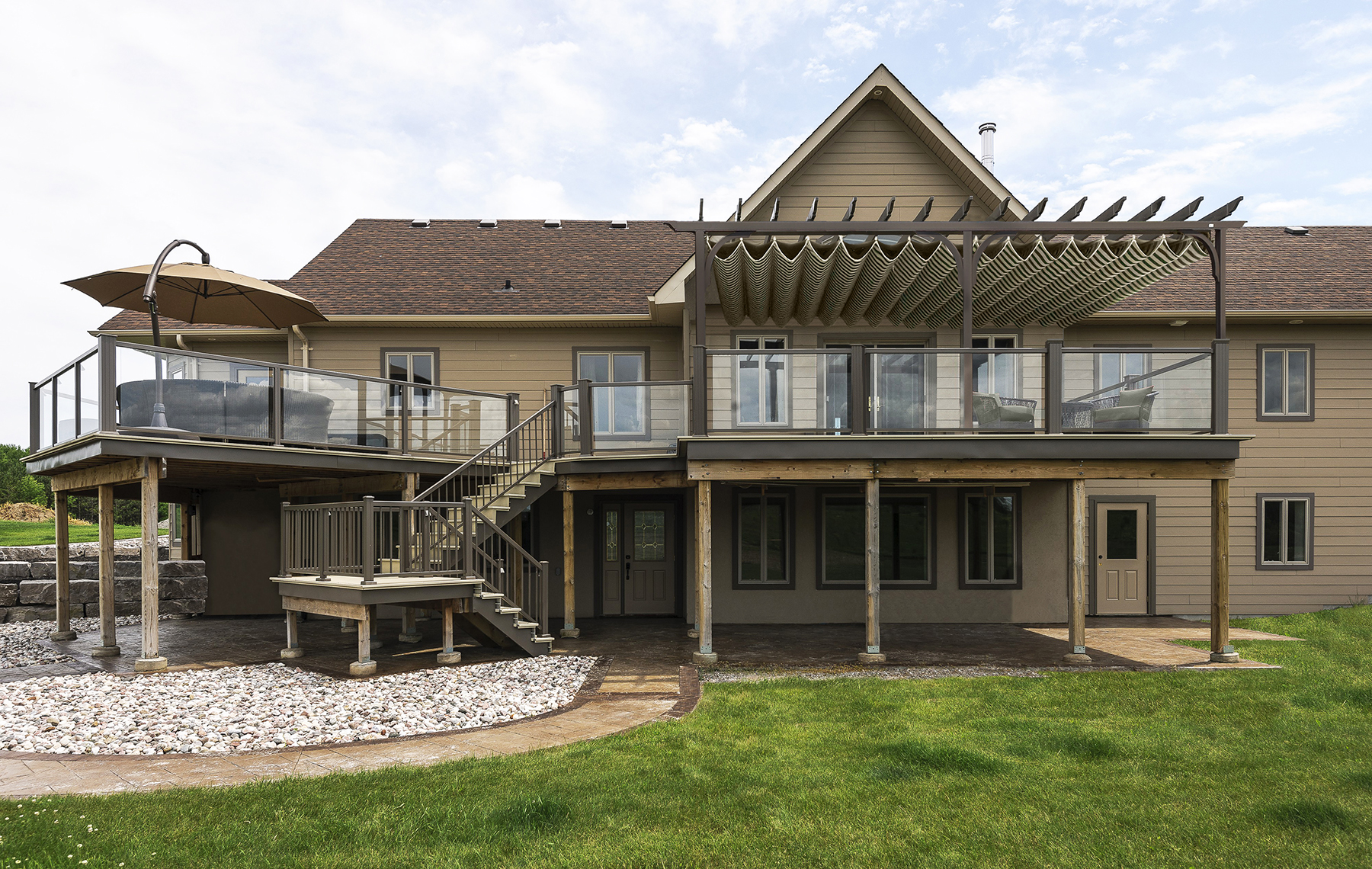
Pergolas: These overhead structures provide partial shade while maintaining an open, airy feel. Pergolas can support climbing plants, incorporate retractable canopies, or include louvered roofs for adjustable coverage. They define space, add architectural interest, and make decks usable during more hours of the day.
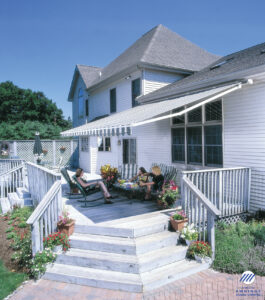
Retractable Awnings: Motorized awnings extend to provide shade when needed and retract to allow full sun exposure. Modern awnings are durable, weather-resistant, and available in numerous colors and patterns. They're ideal for homeowners who want flexible shade control without permanent structures.
Screened Enclosures: Converting part or all of your deck to a screened porch dramatically extends its usability by providing bug-free outdoor enjoyment. Screened sections can include ceiling fans, lighting, and even heating elements for year-round use. This is particularly popular in Maryland where summer evenings can bring mosquitoes and other insects.
Roof Structures: Full roof coverage creates protected outdoor rooms that function almost like interior spaces. Roofed sections can include ceiling fans, elaborate lighting systems, and even outdoor televisions. This option requires more substantial structural support and careful integration with your home's architecture.
Lighting and Electrical Enhancements
LED Post Cap Lights: These provide ambient lighting while highlighting the railing posts. Modern LED post caps are energy-efficient, long-lasting, and available in various styles from traditional to contemporary. They create a welcoming atmosphere and improve safety by illuminating the deck perimeter.
Recessed Deck Lights: Flush-mounted lights installed between deck boards provide subtle illumination without visual clutter. They're perfect for lighting pathways, highlighting steps, or creating ambient mood lighting. LED versions draw minimal power and last for years.
Stair Lighting: Illuminating each step dramatically improves safety while creating an attractive nighttime appearance. Riser lights, tread lights, or rail-mounted lights can all effectively light stairs. This is both a practical safety feature and an aesthetic enhancement.
Under-Rail Lighting: LED strips mounted beneath the top rail provide soft, indirect lighting that creates ambiance without glare. This lighting technique highlights the railing system while providing functional illumination for the deck surface.
Outdoor Outlets and Speakers: Adding weatherproof GFCI outlets throughout the deck provides power for entertainment, devices, or decorative lighting. Built-in speaker systems turn your deck into an outdoor entertainment space. These electrical enhancements should be planned during the remodel to hide wiring within the structure.
Entertainment and Cooking Features
Outdoor Kitchens: From simple built-in grills to complete cooking stations with countertops, storage, and refrigeration, outdoor kitchens transform your deck into a true entertaining venue. A basic setup might include a grill surround with counters for food prep, while elaborate versions incorporate sinks, refrigerators, and full cooking equipment.
Fire Features: Built-in fire pits or gas fire tables extend deck usability into cooler months and create focal points for gathering. Modern fire features include safety glass surrounds, adjustable flames, and integrated seating areas. They provide warmth, ambiance, and a natural gathering spot for friends and family.
Bar Areas: Built-in bars with raised counters and bar-height seating create casual entertaining spaces. A deck bar might include storage for glassware and beverages, a small refrigerator, and a prep sink. This feature is particularly popular for homeowners who frequently host gatherings.
Hot Tub Integration: Properly designed hot tub installations integrate the spa into the deck rather than simply placing it on top. This might include a sunken spa area, privacy screening, convenient access steps, and electrical service. Structural considerations are crucial—hot tubs can weigh 4,000-6,000 pounds when filled with water and people.
Privacy and Skirting Solutions
Privacy Screens: Strategic placement of partial walls, lattice panels, or vertical slat screens creates privacy without completely enclosing the space. These can block sightlines from neighboring properties while maintaining airflow and an open feel. Materials range from wood to composite to metal, in styles from traditional to contemporary.
Deck Skirting: Enclosing the space beneath your deck improves appearance while creating useful storage area. Skirting options include solid panels for complete enclosure, lattice for ventilation with coverage, or horizontal slats for a modern look. Proper skirting includes access panels for reaching plumbing or storage items beneath the deck.
Living Privacy Walls: Planters with tall ornamental grasses, bamboo, or other plants create natural privacy screens that soften the deck's appearance. This living solution provides seasonal interest and can be positioned exactly where privacy is needed without permanent construction.
Maryland County Permitting Requirements
Understanding and navigating permitting requirements is one of the most important aspects of deck remodeling in Maryland. While the process might seem bureaucratic, these requirements exist to ensure your deck is safe, structurally sound, and built to standards that protect your family and property. Each county in Maryland administers its own permitting system, and requirements can vary significantly. Here's what homeowners in our primary service areas need to know.
General Permitting Principles in Maryland
Across Maryland, building permits are generally required for any deck remodel that involves structural changes, increases the deck size, or replaces the entire structure. Most jurisdictions require permits for decks that are 30 inches or higher above grade, though some counties have different thresholds. Even deck replacements where you're working with the existing footprint typically require permits.
The permitting process serves several purposes. First, it ensures your project complies with current building codes, which have been developed to maximize safety. Second, it creates a record of the work performed, which is valuable for future homeowners and can affect property values. Third, it triggers required inspections at critical construction phases, catching potential problems before they become hidden within the finished structure.
Attempting to avoid permits—building without proper approval—can lead to serious consequences. You may be required to remove the deck entirely, face fines, experience difficulty selling your home, encounter problems with insurance claims, or face liability issues if someone is injured on an unpermitted structure. Working with a licensed contractor who obtains proper permits protects you from these risks.
Harford County Permitting
Harford County administers building permits through the Department of Permits, Inspections, and Licenses. Deck permits are required for all new decks and deck replacements. The application process requires submitting a completed application form, detailed drawings showing deck dimensions, materials, and structural specifications, a site plan indicating the deck's location relative to property lines and structures, and payment of applicable fees.
Harford County requires setbacks—minimum distances from your deck to property lines. Typically, structures must be at least 6 feet from side property lines and 25 feet from rear property lines, though these requirements can vary based on zoning district and lot size. The permit application process typically takes 2-3 weeks for approval once submitted with complete information.
Required inspections in Harford County include a footing inspection before concrete is poured, a framing inspection after structural components are installed but before decking is applied, and a final inspection once the deck is complete. Each inspection must be scheduled in advance, and work cannot proceed to the next phase until the current inspection passes.
Harford County has adopted the International Residential Code with Maryland amendments, which specifies requirements for joist spacing, beam sizing, post sizing and spacing, railing height and strength, baluster spacing, stair dimensions, and ledger attachment methods. Your contractor should be thoroughly familiar with these requirements.
Baltimore County Permitting
Baltimore County's permitting process is administered through the Department of Permits, Approvals and Inspections. The county has comprehensive requirements for deck construction and remodeling. Like Harford County, Baltimore County requires permits for essentially all deck work beyond minor repairs or resurfacing with identical materials.
Baltimore County's application process requires detailed construction drawings that may need to be prepared by a licensed professional for complex projects. The drawings must show all structural components, connections to the house, railing details, and stair configurations. A plot plan or site survey showing the deck location relative to property boundaries is also required.
Setback requirements in Baltimore County vary by zoning district but generally require decks to be set back at least 3 feet from side property lines and 25 feet from rear lines. In some residential districts, different requirements may apply, particularly in established neighborhoods with specific covenants.
Baltimore County requires three inspections: footing and foundation inspection, framing inspection, and final inspection. The county is particular about ledger board attachment and flashing, often requiring detailed photos during the framing inspection to document these critical connections before they're covered by other materials.
Permit processing time in Baltimore County typically ranges from 2-4 weeks, depending on the complexity of the project and the current workload of the permits office. During peak construction season (spring and early summer), processing may take longer.
Cecil County Permitting
Cecil County's permitting process is managed through the Department of Planning and Zoning's Building Inspection Division. The county requires permits for all decks attached to residences and for freestanding decks over 30 inches in height. The permitting process in Cecil County tends to be somewhat more streamlined than in the larger counties, but requirements are no less important.
Permit applications must include a completed application form, two sets of construction drawings showing dimensions, materials, and structural details, a site plan indicating setbacks from property lines, and appropriate fees. For straightforward deck replacements using standard construction methods, the drawing requirements are less extensive than for complex custom designs.
Cecil County setback requirements typically call for 5 feet from side property lines and 20 feet from rear lines, though these can vary based on zoning district. In rural areas with larger lots, different requirements may apply. It's always wise to verify specific setbacks for your property during the initial planning phase.
Required inspections include foundation/footing inspection, structural framing inspection, and final inspection. Cecil County inspectors are thorough but generally work cooperatively with contractors who demonstrate knowledge of code requirements and quality construction practices.
Permit processing in Cecil County typically takes 1-3 weeks, making it one of the faster jurisdictions in our service area. The Building Inspection Division is known for being accessible and helpful in answering questions during the application process.
Common Code Requirements Across All Counties
While specific procedures vary by county, the underlying building code requirements are largely consistent across Maryland because all counties adopt the International Residential Code with Maryland amendments. Understanding these common requirements helps you plan appropriately regardless of your specific location.
Footing Requirements: Concrete footings must extend below the frost line (30 inches in Maryland) and be sized appropriately for the loads they'll support. Typical residential deck footings are 16-20 inches in diameter, poured on undisturbed soil. Posts must be properly connected to footings using approved hardware.
Ledger Board Attachment: The ledger board connection to your house is perhaps the most critical element. Code requires properly sized lag bolts or through-bolts at specific spacing, with washers. The ledger must be attached to the house's band joist or rim joist—never to wall sheathing alone. Proper flashing must be installed to prevent water intrusion behind the ledger.
Joist Sizing and Spacing: Joists must be sized based on their span and the decking material they'll support. For typical residential decks, 2x8 or 2x10 joists at 16 inches on center is standard, though engineered lumber or specific decking products may allow different spacing.
Railing Requirements: Railings are required on decks elevated more than 30 inches above grade. Rails must be 36 inches minimum height (42 inches in some jurisdictions or applications). Balusters must be spaced no more than 4 inches apart. Railings must be able to withstand specific outward and downward forces specified in the code. Handrails on stairs must be graspable and continuous.
Stair Requirements: Stair treads must be at least 10 inches deep, and risers must be no more than 7.75 inches high. Variations between the largest and smallest riser must not exceed 3/8 inch. Stairs with four or more risers require railings with graspable handrails.
Electrical Requirements: Any electrical work must comply with the National Electrical Code. Outdoor outlets must be GFCI-protected, and fixtures must be rated for wet locations. Electrical installations typically require separate permits from building permits.
Working with Contractors on Permits
When working with a professional deck contractor, permit handling is typically included in their services. Licensed contractors maintain relationships with local building departments and understand specific procedures and requirements. They'll prepare necessary drawings, submit applications, schedule inspections, and coordinate with inspectors.
However, homeowners should verify that permits will be obtained and remain engaged in the process. Ask to see the approved permit before work begins. Verify that required inspections are being scheduled and completed. Keep copies of all permit documentation and inspection reports—these become part of your property's record and will be valuable to future owners.
A contractor who suggests skipping permits to save time or money should be avoided. This is a red flag indicating either inexperience or disregard for proper procedures. Licensed contractors understand that permits protect both the homeowner and themselves from liability issues.
Cost Considerations and Budget Planning
Understanding the financial aspects of deck remodeling helps you plan appropriately and make informed decisions about materials, features, and timing. Deck remodel costs vary widely based on size, materials, design complexity, site conditions, and the scope of work required. A basic deck replacement might cost a fraction of what an elaborate multi-level remodel with premium materials would require.
Factors That Affect Remodel Costs
Deck Size: Size is one of the most obvious cost drivers. A 200-square-foot deck costs significantly less to remodel than a 500-square-foot deck. However, costs don't scale perfectly linearly—very small decks may have higher per-square-foot costs due to minimum project charges, while very large decks may achieve some economies of scale.
Material Selection: Your choice of decking and railing materials dramatically impacts costs. Pressure-treated lumber is the most economical option, composite decking costs significantly more, PVC decking is more expensive still, and exotic hardwoods represent the premium price point. However, when evaluating costs, consider the total lifetime expense including maintenance, not just initial installation.
Structural Requirements: If your remodel is purely cosmetic—replacing deck boards and railings while retaining the existing structure—costs are lower than a complete rebuild. Structural work that requires new footings, posts, beams, and joists significantly increases costs. The need for extensive structural work often isn't apparent until the existing deck is removed and thoroughly inspected.
Site Accessibility: Decks that are easily accessible for materials and equipment delivery cost less to remodel than those requiring material to be carried long distances or through the house. Elevated decks or those built over steep slopes require more labor and potentially specialized equipment, increasing costs.
Design Complexity: Simple rectangular decks with standard railing are less expensive than decks with angles, curves, multiple levels, or intricate patterns. Custom features like built-in benches, planters, lighting systems, or pergolas add to the total cost.
Demolition and Disposal: Removing and disposing of an existing deck incurs costs for labor and dump fees. Some materials can be recycled, potentially reducing disposal costs. Very large or heavily built decks may require more time to demolish, affecting overall project costs.
Material Cost Comparisons
Material costs vary based on market conditions, but understanding relative pricing helps with planning. Pressure-treated lumber represents the baseline, with composite materials typically costing 2-3 times more per board foot. PVC decking usually costs about 20-40% more than mid-grade composite. Exotic hardwoods vary widely by species but generally cost 3-5 times more than pressure-treated lumber.
Railing materials follow similar patterns, with wood railings being most economical, composite and vinyl railings in the mid-range, and premium options like cable or glass panels at the high end. When budgeting, remember that railings represent a significant portion of total cost—often 25-40% of the total project.
Value and Return on Investment
While deck remodeling represents a significant investment, it typically provides excellent value and return. A quality deck remodel typically recoups 60-80% of its cost in added home value, with actual returns varying based on the local real estate market and the quality of the installation. Beyond financial returns, deck remodels enhance your daily living experience and outdoor enjoyment, providing value that's difficult to quantify but very real.
When evaluating costs, consider that a well-executed deck remodel should last 20-30 years or more with proper maintenance. Spreading the cost over this lifespan puts the investment in perspective—a deck that provides decades of use and enjoyment represents excellent value even at a premium price point.
Budget Planning Tips
Start by determining a realistic budget range based on your goals and available resources. Get detailed written estimates from multiple contractors, ensuring they include all aspects of the project including permits, demolition, materials, labor, and any requested features. Compare estimates carefully—the lowest bid isn't always the best value if it uses inferior materials or cuts corners on quality.
Build in a contingency of 10-15% for unexpected issues that may arise during demolition or construction. Hidden damage, code compliance issues, or changes to the plan can add costs, and having budget flexibility reduces stress.
If budget constraints are significant, consider a phased approach. You might remodel the deck structure and surface now, then add amenities like lighting, built-in features, or a pergola later. This spreads costs over time while still addressing critical structural or safety issues immediately.
Why Choose Custom Design & Build LLC for Your Deck Remodel?
With years of experience serving Harford County, Baltimore County, and Cecil County, we understand the unique challenges and opportunities of deck remodeling in Maryland's climate. Our comprehensive approach ensures your project is completed correctly, on time, and to the highest standards.
Licensed & Insured
Fully licensed contractors with comprehensive insurance protection for your peace of mind.
Expert Permitting
We handle all permitting and inspections, ensuring full code compliance in all three counties.
Quality Materials
Access to premium materials from leading manufacturers with comprehensive warranties.
Expert Craftsmanship
Skilled professionals dedicated to delivering exceptional results that exceed expectations.
Ready to Transform Your Outdoor Living Space?
Let's discuss your deck remodeling project and create a plan that brings your vision to life.
Serving Harford County, Baltimore County, and Cecil County, Maryland
Frequently Asked Questions About Deck Remodeling
How long does a typical deck remodel take?
Most deck remodels take 4-8 weeks from contract signing to completion, including permitting time. The actual construction typically takes 1-3 weeks once permits are approved and work begins. Complex projects with custom features may take longer, while straightforward replacements can sometimes be completed more quickly.
Can I remodel my deck during winter?
Deck remodeling can be completed year-round in Maryland, though spring and fall offer ideal conditions. Winter construction is possible but may be delayed by extreme cold, snow, or ice. Concrete work for footings requires temperatures above freezing. Summer construction works well but can be uncomfortable for crews during extreme heat. Your contractor can advise on the best timing for your specific project.
Do I always need a permit for deck work?
In Maryland counties, permits are generally required for any deck remodel that involves structural changes or replaces the entire deck. Simple repairs like replacing a few boards typically don't require permits, but complete remodels almost always do. Requirements vary by county, and it's always best to check with your local building department or work with a contractor who understands local requirements.
How do I choose between wood and composite decking?
The choice depends on your priorities regarding budget, maintenance, and aesthetics. Wood costs less initially and provides authentic natural beauty but requires regular maintenance including cleaning, sealing, and eventual board replacement. Composite costs more upfront but requires minimal maintenance and lasts longer. Consider your willingness to perform regular maintenance, your budget for both initial costs and long-term care, and your aesthetic preferences when making this decision.
Can I change the size or layout of my deck during a remodel?
Absolutely! Remodeling is the perfect opportunity to expand your deck, change its shape, add multiple levels, or reconfigure the layout to better serve your needs. Expanding or significantly altering the deck will require more extensive permitting and may involve additional site work, but it's definitely possible and often worthwhile.
What maintenance will my new deck require?
Maintenance requirements depend entirely on your material choice. Composite and PVC decking require only occasional cleaning with soap and water and periodic checks of fasteners. Wood decking requires annual cleaning, sealing every 2-3 years, and regular inspection for signs of rot or damage. All decks benefit from keeping them clear of debris, ensuring good drainage, and promptly addressing any issues that arise.
Will remodeling my deck increase my home's value?
Yes, a quality deck remodel typically adds value to your home, generally recouping 60-80% of the investment in increased property value. Beyond the financial return, a new deck enhances curb appeal, makes your home more attractive to potential buyers, and significantly improves your outdoor living experience. The exact return depends on your local real estate market and the quality of the installation.
What's the difference between a repair and a remodel?
Repairs address specific issues like replacing a few damaged boards, tightening loose railings, or fixing isolated problem areas while keeping the overall structure intact. A remodel involves replacing major components or the entire deck, often with upgraded materials or design changes. If your deck has widespread deterioration, structural concerns, or you want to significantly update its appearance or function, a remodel is appropriate rather than piecemeal repairs.
Taking the Next Steps
A deck remodel is a significant project that enhances both your home's value and your quality of life. Whether you're addressing structural concerns, updating an aging deck, or creating the outdoor living space you've always wanted, approaching the project with knowledge and planning leads to the best results.
Take time to carefully assess your current deck's condition, considering both obvious issues and potential hidden problems. Think about how you want to use your outdoor space and what features would enhance your lifestyle. Research material options and understand their advantages and tradeoffs. Most importantly, work with experienced professionals who understand Maryland's requirements and can guide you through the process from initial consultation through final completion.
At Custom Design & Build LLC, we've helped countless homeowners throughout Harford County, Baltimore County, and Cecil County transform their outdoor spaces through expert deck remodeling. We handle every aspect of the project—from initial assessment and design through permitting, construction, and final inspection—ensuring a seamless experience and exceptional results.
Ready to start your deck remodeling project? Contact us at 443-616-1459 to schedule a free consultation. We'll assess your current deck, discuss your goals, and provide a detailed proposal for creating the outdoor living space you deserve.
Transform Your Outdoor Living Space Today
Expert Deck Remodeling Throughout Maryland
Call 443-616-1459Visit us at customdesignandbuildllc.com